
History of Somerstown
Somerstown has an interesting history, still remembered by local people today.
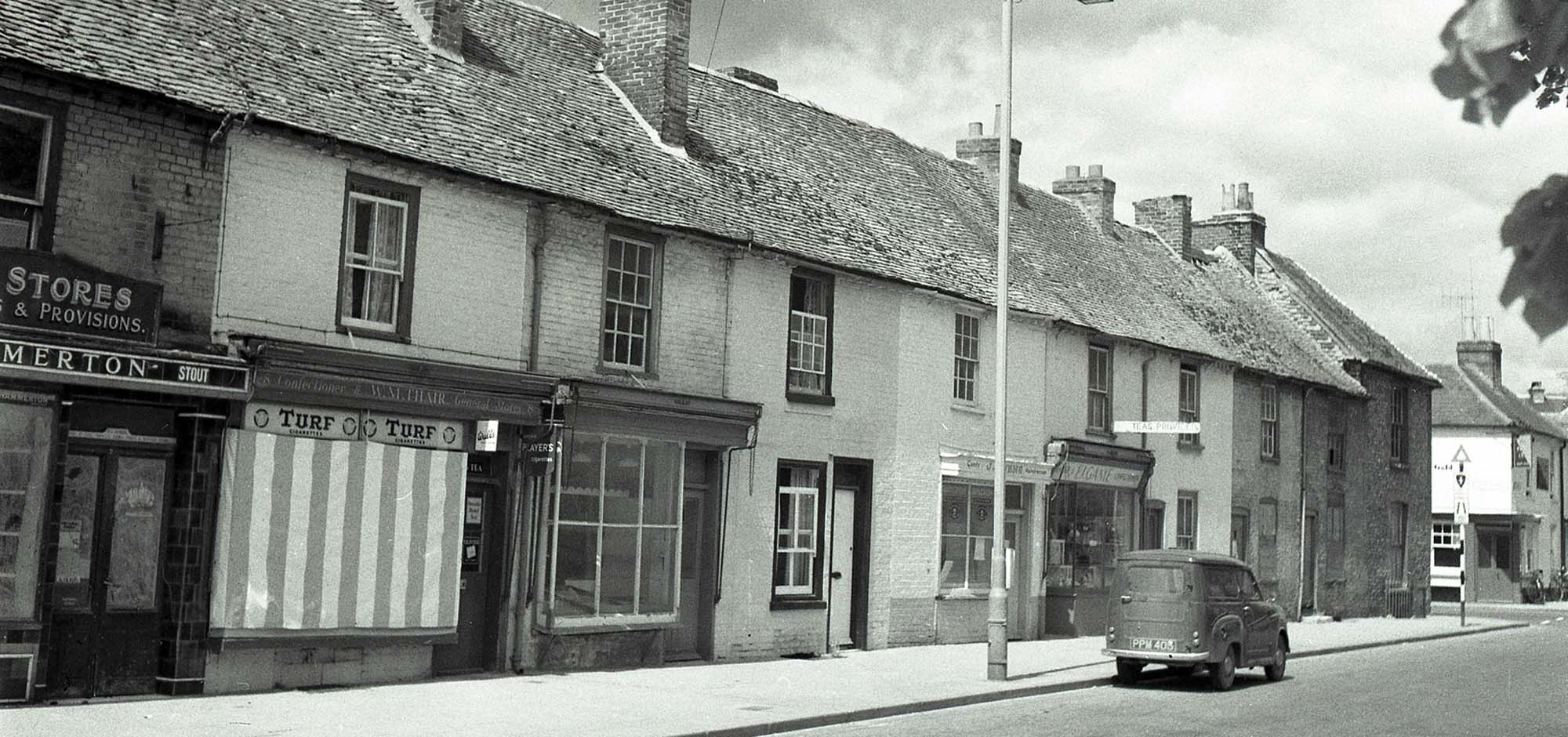
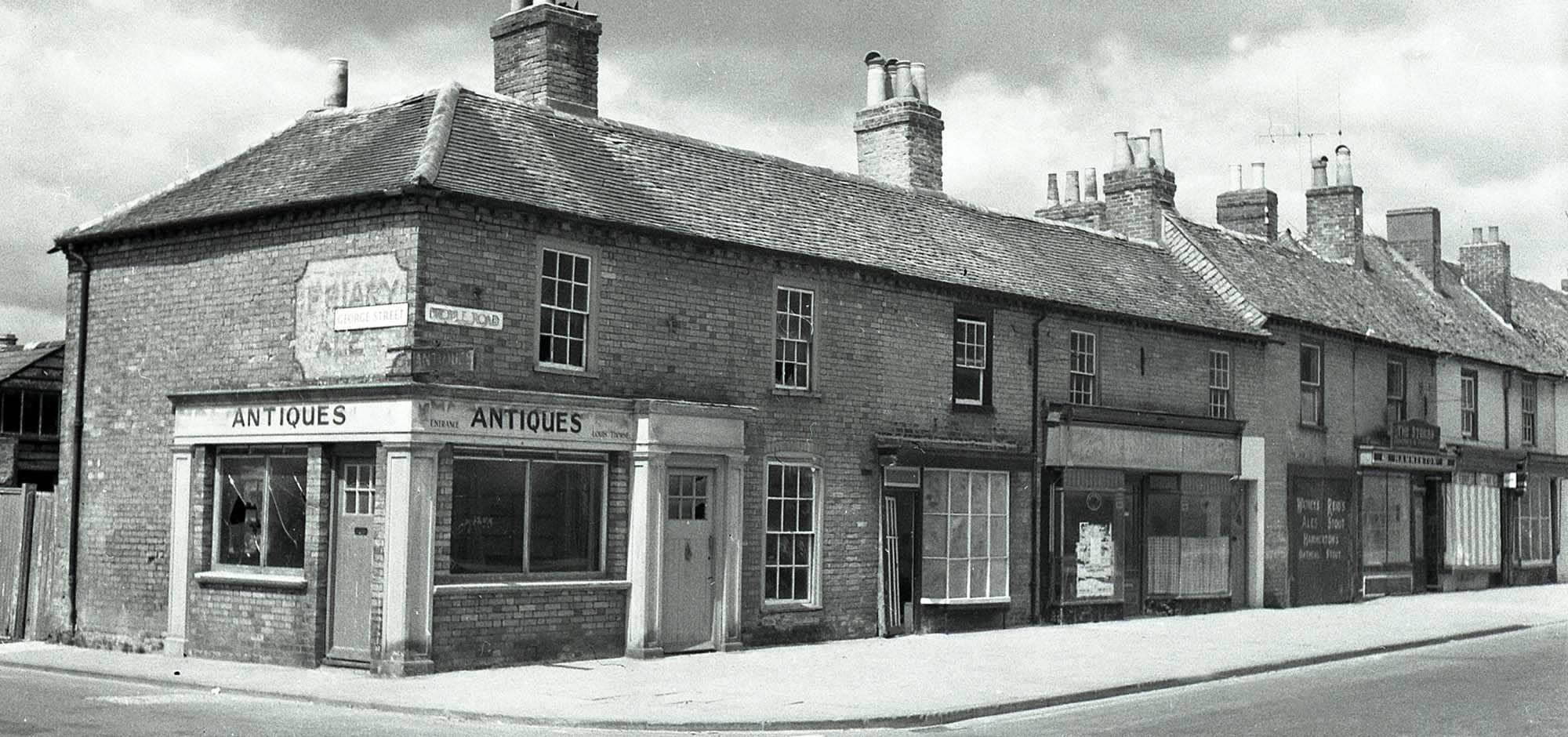
In the early 19th Century, as the population of Chichester grew, an urgent need for more housing led to the late Georgian development, then known as ‘Somerstown’, being built on the north-west of the city. It straddled both sides of St Paul’s Road – which was known as the ‘Old Broyle’ – and was a self-contained community with its own shops, pubs and church.
To the west of St Paul’s Road were Parchment Street, Cavendish Street and Washington Street – which still remain today. To the east, between St Paul’s Road and Broyle Road, terraced housing, shops and pubs were developed along George Street, High Street and Cross Street. By the early 20th Century there were over 300 properties, including eight pubs and 20 shops. Today’s Somerstown replaced 178 houses of that community in the 1970s.
During the early 20th Century the building stock became increasingly run down, so that even by the 1950s many remained without electricity and were lit by gas. The City Council intervened in 1957 with proposals for the “comprehensive redevelopment” of the whole area. A public outcry ensued, with local dignitaries – including Sir Laurence Olivier, then director of Chichester Festival Theatre – campaigning nationally and locally for the area’s refurbishment. The City Council however maintained that the housing needed complete modernisation.
Eventually, while the west side (Parchment, Cavendish and Washington Streets) survived by being bought up cheaply and renovated by private purchasers, the City Council compulsorily-purchased the eastern side, comprising the site of the current day Somerstown estate. Residents were moved to alternative local housing and, in 1964, the buildings were demolished. For over ten years the area lay empty, although the street layout remained – apparently becoming a favourite place for learner drivers to practise their three-point turns!
Development of today’s Somerstown estate began in the late 1960s by the Downland Fourth Housing Society. While the original street pattern has disappeared, you can still see two of the pubs – The Bell and The Rainbow – and the remaining ends of High Street and George Street.
With grateful thanks to local historian Alan Green for his substantial input into this page.